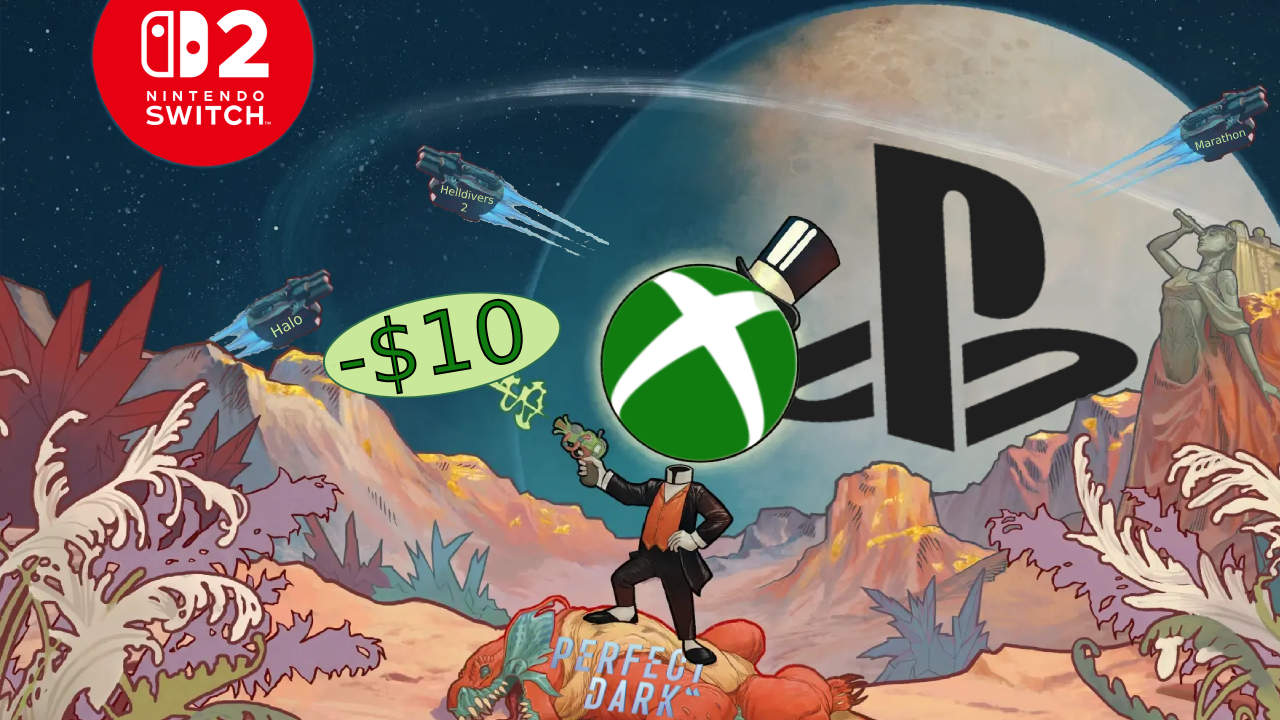
Whether it was due to the vocal outcry online or disappointing pre-order numbers, the decision has been made: The Outer Worlds 2 will no longer release at the previously announced $79.99 RRP. It’s yet another unforced error by Xbox, which just can’t seem to stop shooting itself in the foot.
The Outer Worlds 2 looks like a step up in every way compared to its predecessor (a game I enjoyed), but I wouldn’t say it’s one of Xbox’s premier titles. It’s certainly not the game to test out a more expensive pricing structure on, that’s for sure! You can bet everyone at Obsidian was banging their heads against the wall when the news originally came through about the $80 price tag—the game is about corporate greed, ffs!
With that self-imposed hurdle out of the way, I hope The Outer Worlds 2 turns out to be a success. Although it is clear now that success doesn’t prevent Xbox from dropping the axe on a studio. Obsidian has been one of the most prolific studios for Xbox since its acquisition, but even it isn’t safe from Satya Nadella and his infatuation with AI.

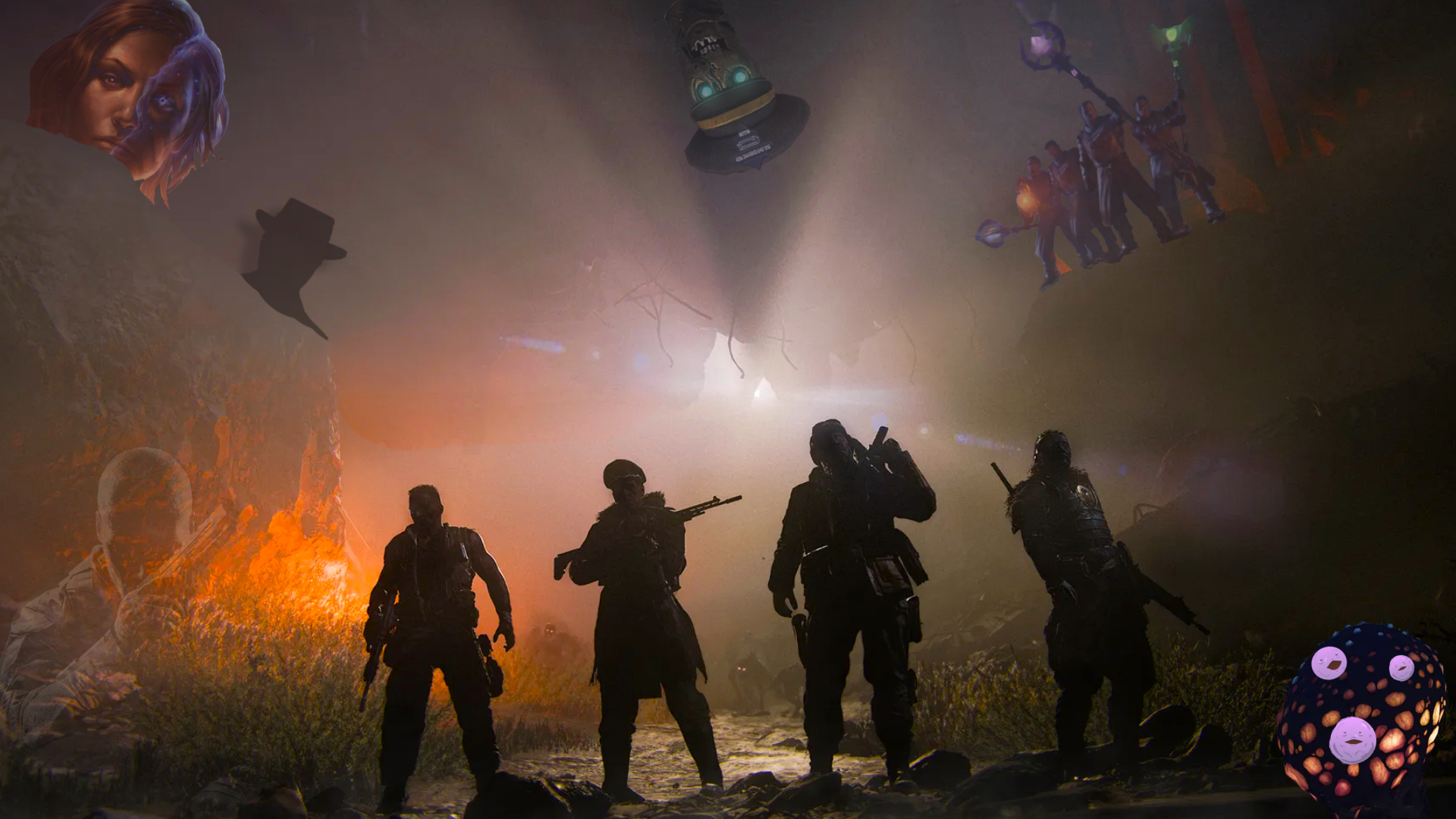
What’s even more surprising is that Xbox confirmed all of its Winter releases will remain at $70. I was certain Call of Duty would make the jump, considering it’s one of those special cases where many players will throw money at it regardless of price.
As always when discussing Xbox, there’s the need to mention Game Pass. As first-party games, The Outer Worlds 2 and Call of Duty: Black Ops 7 will both be available on the service day and date. Maybe someone at Xbox thought customers unhappy about the $80 price would pivot to using the service instead? It doesn’t make sense to me, but that’s the only explanation I can come up with.
I still expect we’ll see plenty more $80 games by the end of 2026. Xbox’s U-turn feels more like it’s delaying the inevitable than a charitable change of heart. Grand Theft Auto 6 is sure to push the limits of what we’ve come to expect in terms of pricing, and Nintendo will no doubt have a new Mario release it holds in the same regard as Mario Kart World.
It’s also rumoured that Modern Warfare will return in 2026 as the first Call of Duty instalment to drop support for Xbox One and PS4 consoles, giving Activision the perfect chance to crank up the price. After the diabolical Modern Warfare II, developer Infinity Ward has a mountain to climb to win back traditional Call of Duty fans, myself included. I refuse to campaign for red dots on the mini-map for a third time.

It’s not just Xbox making unexpected moves this week. A job listing at Sony went live for a Senior Director of Multiplatform & Account Management, who “will play a critical leadership role in shaping and executing the global commercial strategy for PlayStation Studios software titles across all digital platforms beyond PlayStation hardware, including Steam, Epic Games Store, Xbox, Nintendo, and mobile.”
Console warriors may be distraught, but it’s not surprising—it’s the reality of the video game industry in 2025. When a publisher spends so much on a game, can it afford to exclude millions of potential players? If that publisher is Nintendo, yes! But Nintendo is the exception to the rule. After the success of the Switch, it can march to the beat of its own drum.
Xbox decided enough was enough, opened the “forbidden door” in 2024, and hasn’t looked back. Forza Horizon 5 has sold impressively on PlayStation (over 3 million copies), and smaller experiences like Pentiment are a fantastic fit for the portable nature of the Nintendo Switch.
Unlike Xbox, however, hardware is still an integral part of PlayStation’s business model. I don’t expect it to give up premier single-player titles like The Last of Us, God of War, Spider-Man, and Uncharted, to other platforms. Older games, smaller games, and ones that rely on healthy player bases? All on the table. We’ve already seen examples with LEGO Horizon Adventures on Switch and Helldivers 2 on Xbox.

Still, stranger things have happened. Xbox initially claimed that only a select few games would go multiplatform; yet, now Gears of War is heading to PS5, and rumours suggest that Halo may also land on both PlayStation and Nintendo consoles in the near future. The difference is that PlayStation is still shifting consoles, while Xbox pivoted to multiplatform out of necessity. It was fighting a losing battle, despite finding some success through Game Pass.
It’s an unprecedented time for the industry. If you look back at the launch of the PS5 and Xbox Series X in 2020, it’s almost unrecognisable. There’s a clear trend towards multiplatform gaming. Whether or not you think exclusives are beneficial to a console, it doesn’t really matter. AAA budgets have ballooned, and publishers need as many hands on games as possible. It’s happening.
On the face of it, it’s not a bad thing. I want fewer barriers preventing people from experiencing video games. But with PC gaming on the rise and console gaming in decline, I do wonder about the long-term implications of consoles losing exclusive games. As a predominantly console player, I don’t want to wake up in a future where it’s PC or nothing.